Introduction
3D technology continues to reshape how we engage with digital content. However, the necessity for wearing special glasses has often limited the full adoption of 3D viewing. Today, groundbreaking developments have introduced glasses-free 3D displays, promising richer and more accessible experiences in various fields such as gaming, entertainment, and professional applications. Let’s explore how these advancements in glasses-free 3D technology are poised to transform our visual experience and what the future holds for this innovative field.
Understanding Glasses-Free 3D Technology
How Autostereoscopic Technology Works
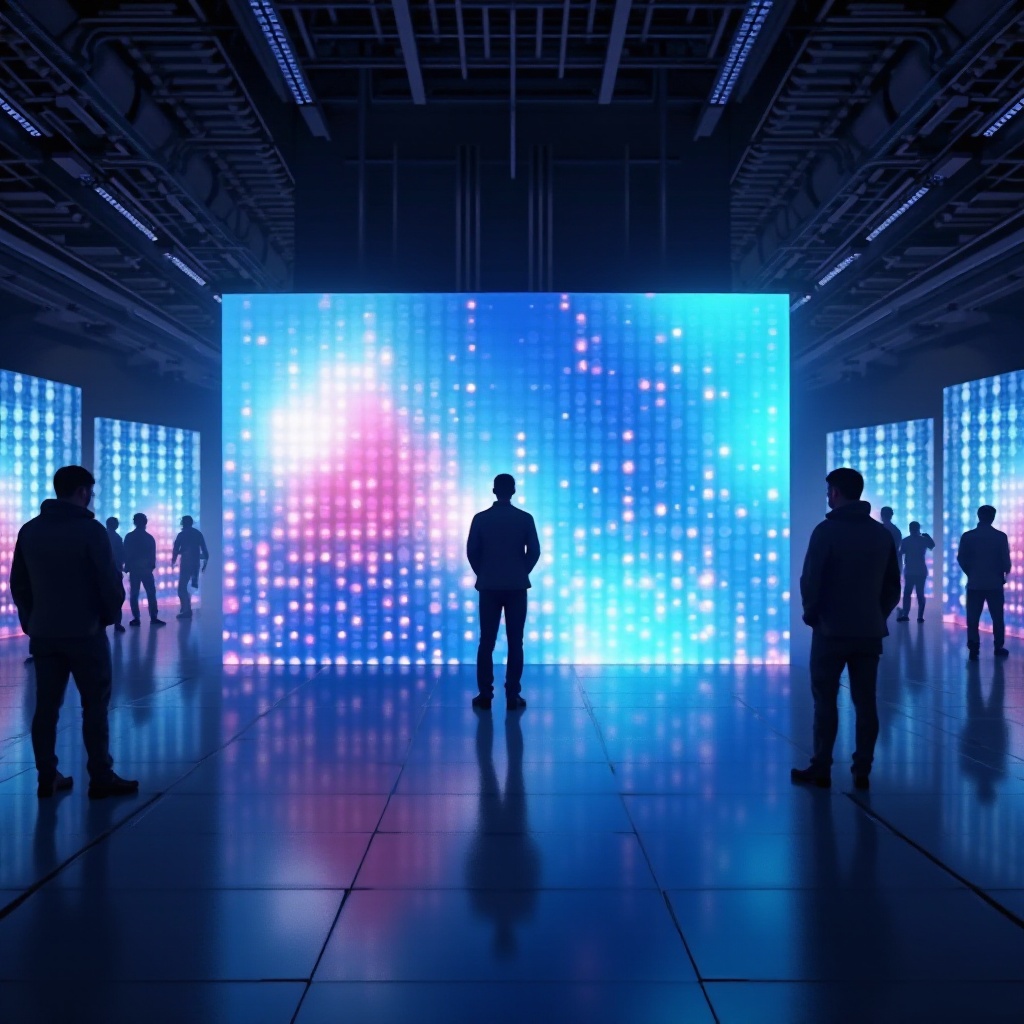
At the heart of glasses-free 3D technology lies autostereoscopic principles, which enable three-dimensional visualization without specialized glasses. This is achieved through a lens array that projects images to each eye separately, creating the illusion of depth. By directing light paths through strategically positioned barriers or lenses on the screen, these displays allow viewers to perceive a 3D image naturally.
Key Components: Parallax Barrier and Lenticular Lens
Two methods dominate glasses-free 3D systems: the parallax barrier and the lenticular lens. The parallax barrier consists of vertical slits that let each eye view different pixels, forming a 3D perception. Conversely, the lenticular lens utilizes a sheet of tiny lenses over the display, transforming the standard 2D viewing experience into a dynamic 3D visualization.
Comparison with Traditional 3D Display Methods
Unlike traditional 3D systems that rely on glasses, which filter separate images to each eye and unify them into a singular 3D view, glasses-free technology bypasses eye wear requirements entirely. This leap in convenience enhances the viewing experience while minimizing eye strain, making 3D content more accessible to a broader audience.
Current Developments in Glasses-Free 3D Displays
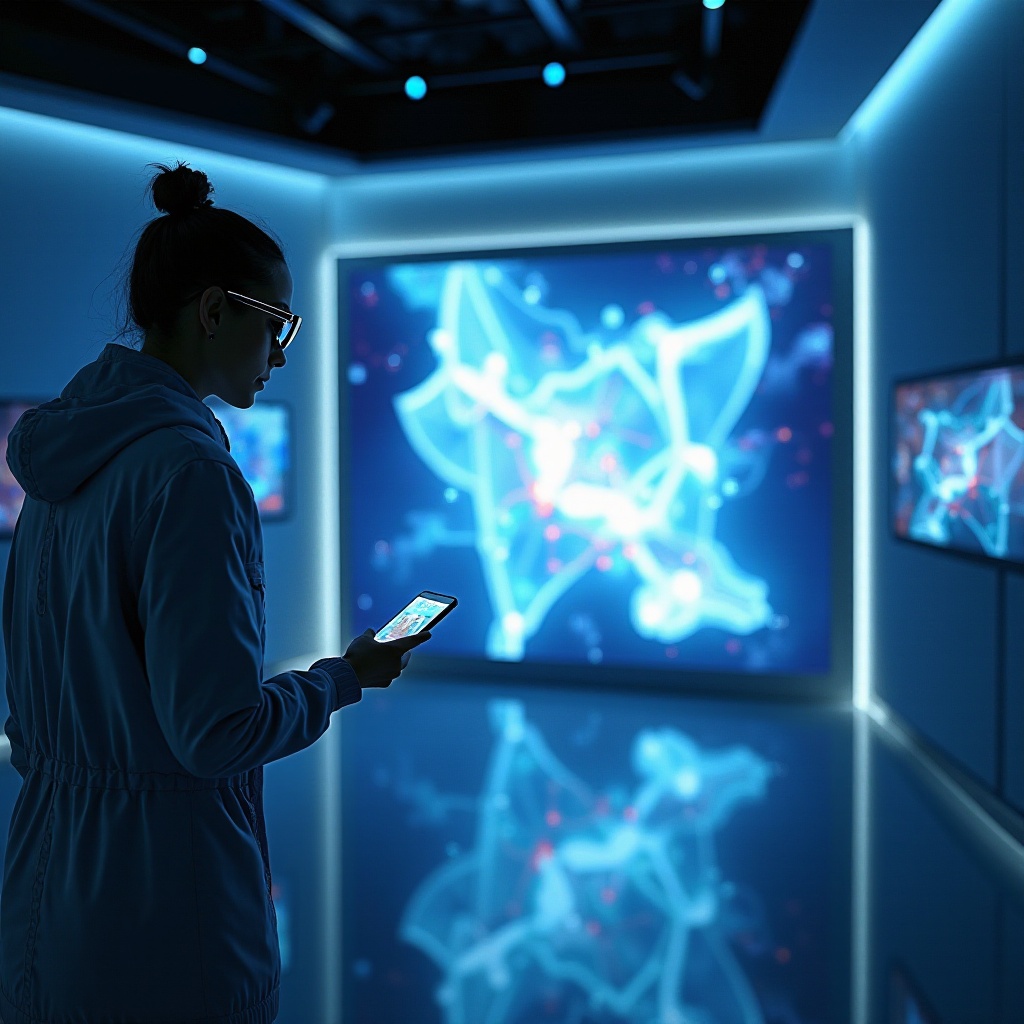
Advancements in 2024 have propelled glasses-free 3D displays into the spotlight. Companies have been focusing on improving image quality and user accessibility, with significant leaps in monitor technology. As these technologies mature, they bring superior viewing angles, higher resolution, and better color fidelity, turning the previously abstract benefits of glasses-free 3D into everyday realities for consumers.
Innovations in Monitor Technology for 2024
Recent strides in monitor design have incorporated state-of-the-art glasses-free 3D technology. Currently, newer monitors deliver immense clarity, vibrant colors, and enhanced depth perception, thanks to cutting-edge optical engineering. These developments ensure users receive an immersive experience typically reserved for more elaborate setups, delivering a clear and engaging visual experience straight from their screens.
Leading Brands and Their Latest Offerings
Brands leading the charge in this space are rolling out products that integrate sophisticated optics with precision engineering to enhance depth perception and image clarity. These devices are tailored not only for entertainment but also for professional applications where detail and realism are crucial. The ongoing competition between major players underscores the industry’s commitment to further innovations in glasses-free technology.
New Features and Enhancements
Monitors now feature improved brightness, better contrast ratios, and faster response times than their predecessors, ensuring no trade-off between quality and innovation. User-friendly interfaces and settings enhance these displays, allowing customization to meet personal and professional needs.
Applications and Benefits of Glasses-Free 3D Displays
The transformative nature of glasses-free 3D technology opens numerous applications across various sectors. The enhanced quality and ease of use dramatically affect industries such as gaming, professional environments, and consumer entertainment, each of which benefits distinctly from the technology’s immersive capabilities.
Impact on the Gaming Industry
Gaming stands out as perhaps the most notable beneficiary of glasses-free 3D. Players gain a heightened sense of immersion, enhancing gameplay with realistic depth and image-preserving graphics. This advantage translates to improved overall experiences for both casual hobbyists and competitive gamers seeking to maximize their interaction with virtual environments.
Use in Professional Environments
In professional settings like architecture and design, glasses-free 3D displays are invaluable for detailed model visualization. They foster improved communication and collaborative efforts among teams by allowing precise exploration of intricate designs directly on screen, eliminating the need for interim processes.
Advantages in Consumer Entertainment
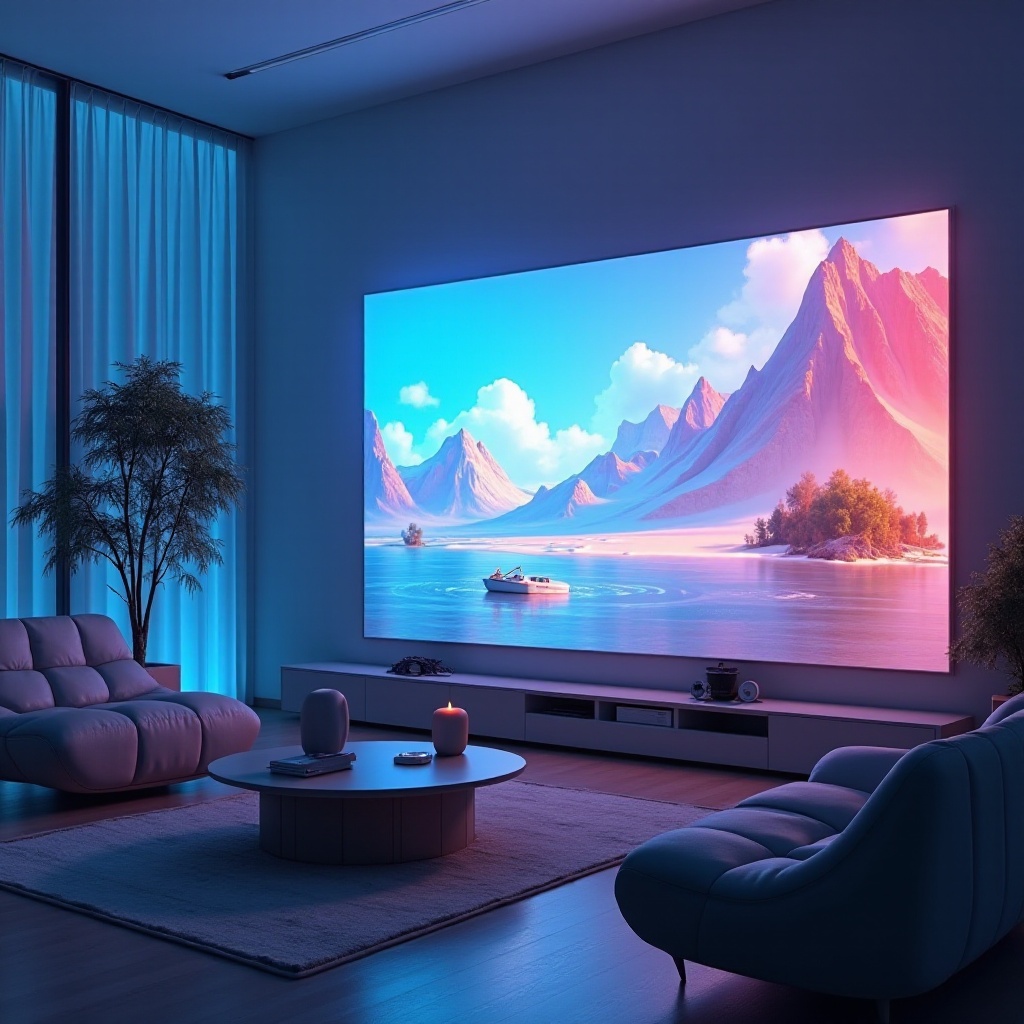
For the everyday consumer, glasses-free 3D technology enriches home entertainment. Whether viewing movies or streaming live sports, audiences enjoy a new level of realism that enhances both narrative and engagement. This immersion is particularly impactful, turning everyday viewing into a captivating experience.
Challenges and Limitations
Despite these promising developments, the path to mainstream adoption is not without obstacles. Addressing technical and market-based challenges is crucial for ensuring broad consumer acceptance and setting a foundation for future advancements.
Technical Hurdles and Resolution Issues
Present challenges such as restricted viewing angles and optimal resolution still require resolution for glasses-free 3D technology to meet expectations. Manufacturers must balance delivering superior 3D effects while maintaining cost-effectiveness to appeal to a broader market base.
Market Adoption Barriers
Slow uptake can be attributed to limited initial content optimized for glasses-free 3D. Persistent perceptions regarding 3D technology as niche stall its growth, even as advancements highlight its practicality and appeal.
Content Availability and Compatibility
To fully leverage the advantages of glasses-free 3D, content creators must increase their focus on developing compatible media. Encouraging seamless integration with existing formats could catalyze wider adoption, enticing both consumers and content producers to invest more heavily in the format.
Future Prospects for Glasses-Free 3D Displays
Despite current challenges, the outlook for glasses-free 3D technology remains optimistic. Proactive investments in research and continued advancements will stimulate further innovation and market growth.
Upcoming Innovations and Research
Emerging research into holographic technologies and advanced image processing suggest promising future directions. Ongoing developments anticipate even greater user experiences that build upon the current foundations of glasses-free 3D displays.
Predicted Market Growth for 2024 and Beyond
Forecasts for glasses-free 3D displays predict significant market expansion driven by increasing demand and technological enhancements. As investments continue and innovations emerge, these displays are poised to become integral elements of future visual media consumption.
Potential Breakthroughs in Technology
Breakthroughs in optical engineering and artificial intelligence promise substantial leaps forward. These enhancements aim to optimize user interaction and elevate display quality, preparing glasses-free 3D technology for large-scale, everyday use.
Conclusion
Glasses-free 3D display technology has evolved significantly from its glasses-dependent origins, signifying remarkable strides in visual media engagement. With sustained advancements and a focus on overcoming existing challenges, this technology is set to redefine how we interact and consume digital environments, offering an unparalleled viewing experience across various domains.
Frequently Asked Questions
What is the primary technology behind glasses-free 3D displays?
Autostereoscopic technology enables 3D visuals without glasses using optical lenses or barriers to create a stereoscopic effect.
Which industries are set to benefit most from this technology in 2024?
Gaming, professional design, architecture, and consumer entertainment sectors will significantly benefit from glasses-free 3D technology.
What are the challenges faced by consumers adopting glasses-free 3D technology?
Challenges include limited content availability, high costs, skepticism, and technical constraints like resolution and viewing angles.