Introduction
Laptops are essential tools for both work and leisure. Their functionality is highly dependent on efficient cooling systems that prevent overheating while ensuring optimal performance. Passive cooling technology has emerged as a preferred choice for those seeking seamless, noise-free computing experiences. This comprehensive guide will explore the nuances of laptops equipped with passive cooling systems, presenting valuable insights for selecting the best option in 2024.
Understanding Passive Cooling
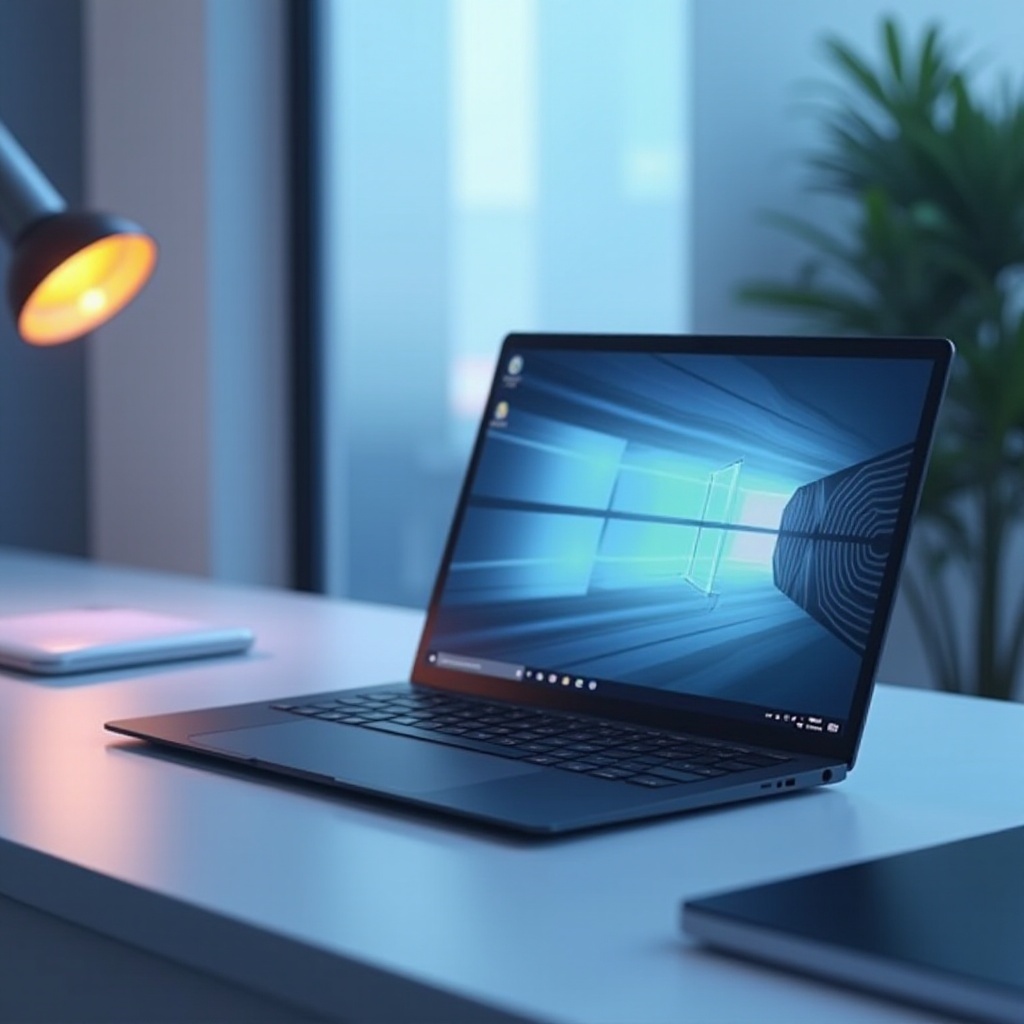
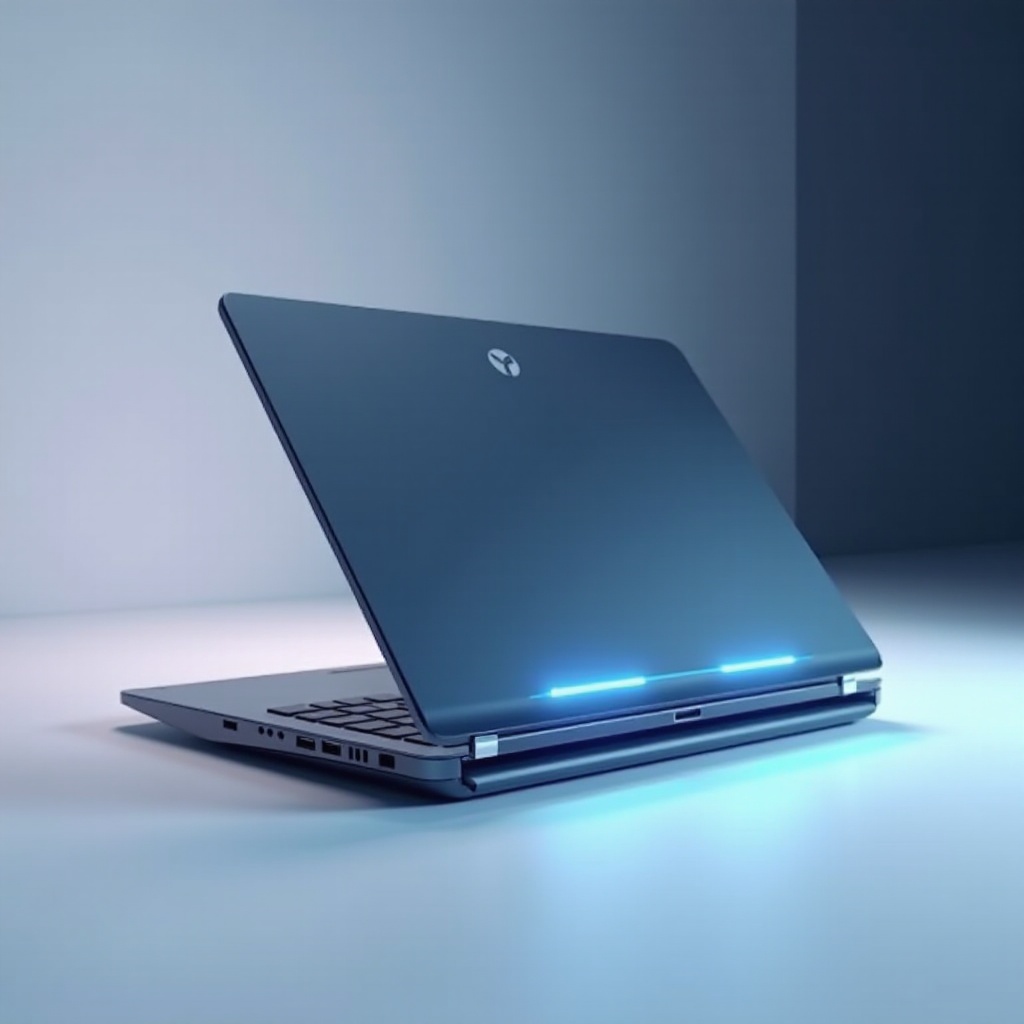
Passive cooling eliminates the need for fans by dispersing heat through heat sinks, thermal pads, and other materials. This method capitalizes on natural heat dissipation, making laptops quieter and more energy-efficient. In passive cooling, heat from laptop components is transferred away and dissipated over larger surface areas. This natural dispersion allows for prolonged usage without the disruptions caused by fan noise and contributes to a longer lifespan due to reduced mechanical stress. It’s a quiet revolution in bringing comfort to everyday computing tasks.
Advantages of Passive Cooling in Laptops
The adoption of passive cooling brings multiple benefits:
- Noise Reduction: Vibration and noise from fans are eliminated, providing a silent workspace environment.
- Energy Efficiency: Decreased power usage extends battery life, allowing for longer use between charges.
- Durability: With fewer moving parts, laptops are less prone to mechanical failure, reducing maintenance needs.
These advantages make passive cooling appealing for those valuing peace and reliability in their digital experience. However, selecting the ideal model requires understanding its limitations and strengths.
Top Laptops with Passive Cooling in 2024
As we look to 2024, several models stand out:
- Model 1: [Brand/Model Name] – Delivers exceptional passive cooling and stellar performance for multitasking and portability.
- Model 2: [Brand/Model Name] – Designed for creators who require distraction-free environments, with a streamlined and efficient thermal solution.
- Model 3: [Brand/Model Name] – Built for power users needing dependable performance with simple maintenance demands.
These selections illustrate that passive cooling models can meet diverse needs, offering performance in silence.
How to Choose the Right Passive Cooling Laptop
Consider these factors to find the right passive cooling laptop:
- Assess Your Needs: Identify your core usage requirements, whether for professional, creative, or general purposes.
- Evaluate Performance: Ensure the model’s specifications align with your requirements, including processor speed and memory capacity.
- Building for Efficiency: Check for quality materials like aluminum, which enhance heat dispersion and overall performance.
These considerations are crucial for a decision tailored to your lifestyle while ensuring value and longevity.
Potential Drawbacks of Passive Cooling Laptops
While offering significant advantages, passive cooling presents some challenges:
- High Workload Limitations: In high-performance scenarios, they may experience performance throttling.
- Not Optimal for Intense Tasks: Intensive computing tasks, such as gaming, may demand more robust cooling to maintain peak performance.
Before making a decision, weigh these potential drawbacks against your needs to ensure it aligns with your long-term usage expectations.
Conclusion
Laptops with passive cooling are ideal for those seeking quiet, efficient computing without the distraction of fan noise. Although they might face challenges in handling extreme tasks, careful model selection based on personal needs can lead to an excellent choice for users prioritizing silence and energy efficiency.
Frequently Asked Questions
What is the main benefit of passive cooling in laptops?
The primary advantage is silent operation, providing a distraction-free environment ideal for focused work while also extending battery life due to increased energy efficiency.
Are passive cooling laptops suitable for gaming?
While adept for light gaming, passive cooling laptops might struggle with sustained high performance required in heavy gaming scenarios, potentially leading to thermal throttling.
How do I maintain a laptop with passive cooling?
Keep your device on a hard, flat surface to aid heat dissipation, and clean vents regularly to ensure optimal airflow and performance.