Introduction
Discovering headphones that don’t leak sound can elevate your auditory experience. They ensure that your music remains personal and prevents disturbing those around you. This is particularly valuable in shared spaces like offices, public transport, or libraries, where discretion is appreciated. This guide delves into understanding sound leakage, the types of headphones that address this issue, and offers top recommendations for every budget.
Understanding Sound Leakage
What is Sound Leakage?
Sound leakage is the phenomenon where the audio from your headphones escapes and becomes audible to those around you. This typically happens in headphones lacking adequate sound isolation design. The quality of materials and construction significantly influence the extent of sound leakage.
Importance of Minimizing Sound Leakage
Minimizing sound leakage is crucial for maintaining privacy and ensuring a respectful environment in shared spaces. Effective soundproof headphones enhance your listening experience by keeping audio contained, thereby preventing disruption to others.
With a grasp on sound leakage, it’s vital to explore the different headphone types that excel in minimizing this issue.
Types of Headphones Designed to Prevent Sound Leakage
Over-Ear Headphones
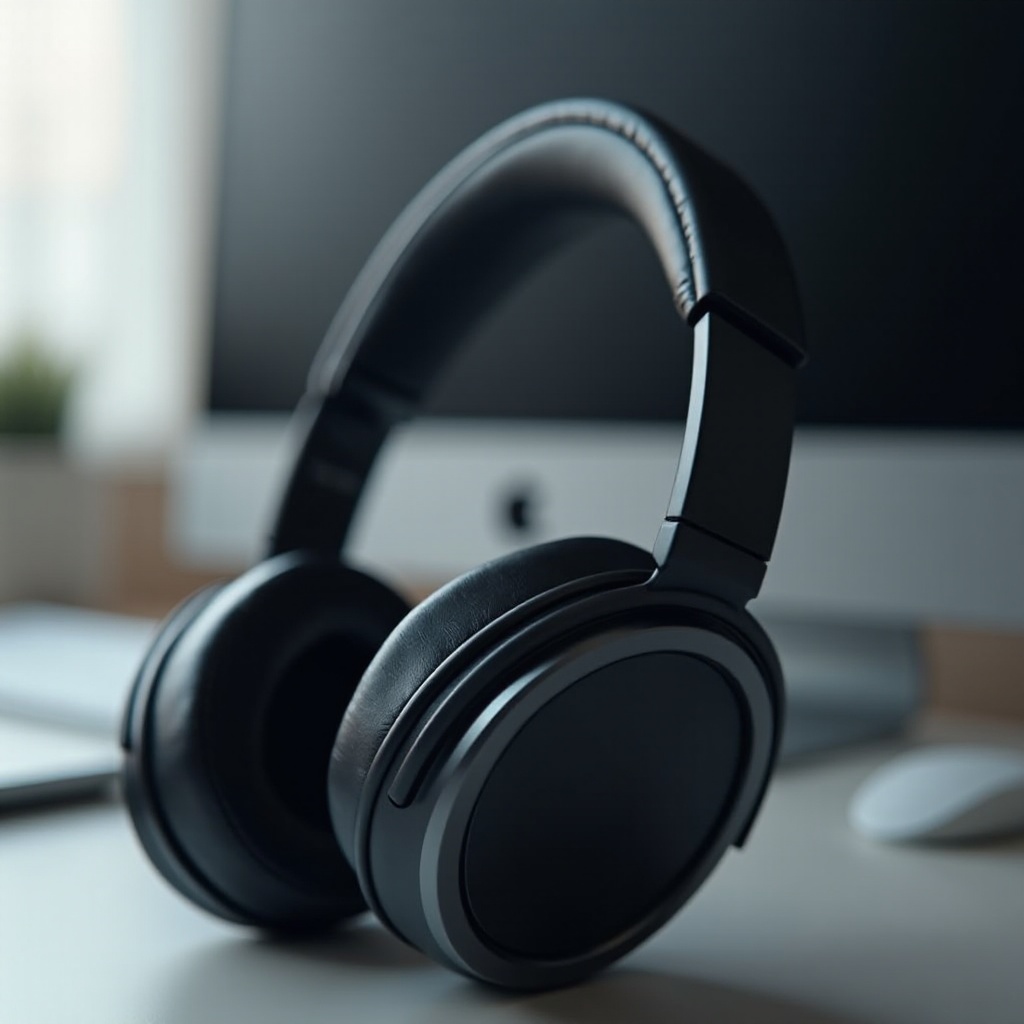
Over-ear headphones are well-known for their comfort and natural sound isolation. Their padded ear cups envelop the entire ear, acting as a barrier to sound leakage. Many over-ear models integrate advanced noise-cancellation technology to amplify their soundproofing attributes.
In-Ear Monitors (IEMs)
In-ear monitors (IEMs) fit snugly into the ear canal, forming an effective seal that blocks ambient noise and prevents sound from escaping. They are favored among musicians and audio professionals for their outstanding sound isolation capacities.
Noise-Canceling Headphones
Noise-canceling headphones employ digital signal processing to negate ambient noise. By emitting an inverse sound wave to that of incoming noise, they establish a quieter listening setting. While their primary aim is noise cancellation, this technology also aids in reducing sound leakage.
Equipped with an understanding of these headphone types, let’s delve into the crucial features to consider when selecting sound-isolating headphones.
Key Features to Look For in Sound-Isolating Headphones
Fit and Comfort
A good fit is paramount in headphones. A snug fit not only enhances sound isolation but also ensures comfort during lengthy listening sessions. Features like adjustable headbands and soft ear cushions can significantly improve your wearing experience.
Noise-Cancellation Technology
When it comes to reducing sound leakage, prioritizing headphones with efficient noise-cancellation technology is essential. Both active and passive noise cancellation contribute greatly to enhancing sound isolation.
Build Quality and Durability
Investing in headphones crafted from high-quality materials is also crucial. A durable build ensures longevity, and headphones designed with materials conducive to sound isolation—like memory foam ear cushions or padded headbands—offer additional benefits.
With these features in mind, assessing top headphone models provides concrete options to facilitate your purchase.
Top 5 Headphones That Don’t Leak Sound
Model 1: Key Features and Benefits
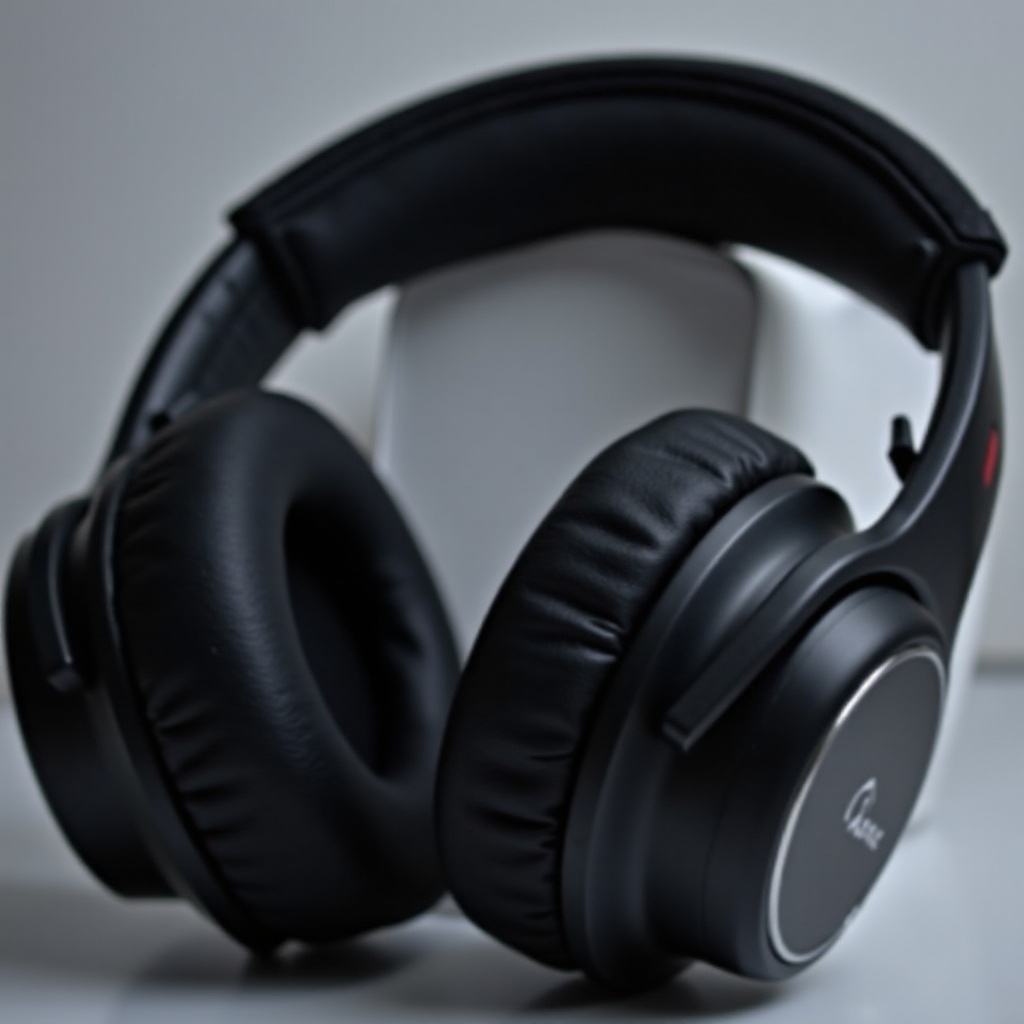
Model 1 stands out for its excellent sound isolation features. Its over-ear design coupled with cutting-edge noise-cancellation technology efficiently minimizes sound leakage.
Model 2: Key Features and Benefits
Model 2 is distinguished by its supreme comfort. With plush padding and adjustable settings, it forms an exceptional seal around the ears, significantly preventing sound escape.
Model 3: Key Features and Benefits
Designed for audiophiles, Model 3 combines pristine audio quality with effective prevention of sound leakage, owing to its in-ear design and custom fit options.
Model 4: Key Features and Benefits
Model 4 offers flexibility and is ideal for both casual listeners and professionals. Its noise-cancellation features rank among the best, making it suitable for noise-sensitive settings.
Model 5: Key Features and Benefits
Model 5 effortlessly merges aesthetics with function. Boasting excellent sound isolation properties, it is a stylish yet practical choice for daily listening.
Having explored these top picks, it’s important to know how to test headphones for sound leakage to ensure you make an informed choice.
How to Test Headphones for Sound Leakage Before Buying
- Visit a Store: Test the headphones in person whenever you can.
- Play Music: Use your favorite track at a medium to high volume.
- Ask a Friend: Request someone to stand a few feet away to check for audible leakage.
- Listen for Ambient Noises: Wear the headphones to evaluate their effectiveness in blocking external noise.
Testing headphones ensures their capability in managing sound leakage without sacrificing quality.
Conclusion
Selecting headphones that don’t leak sound requires an understanding of sound leakage, the types of headphones available, and recognizing key features enhancing sound isolation. With this knowledge and testing headphones in person, you can make an informed decision. Ultimately, investing in the right model caters to a truly immersive and private listening experience.
Frequently Asked Questions
How do I know if my headphones are leaking sound?
If people nearby can hear your music or other audio clearly, your headphones are likely leaking sound.
Can noise-canceling headphones eliminate sound leakage completely?
While noise-canceling headphones greatly reduce external noise, they may not completely prevent sound from escaping unless designed for sound isolation.
Are wireless headphones more prone to sound leakage than wired headphones?
Sound leakage tends to depend more on design and technology rather than whether headphones are wireless or wired. However, always check individual models for sound isolation capabilities.