Introduction
High sensitivity bookshelf speakers have redefined what audio enthusiasts can expect in terms of sound clarity and power efficiency. These speakers are designed to provide a detailed, immersive listening experience, making them a top choice for those wishing to elevate their home audio systems. Whether for listening to music, watching movies, or enjoying podcasts, high sensitivity speakers deliver exceptional audio quality across various uses.
Selecting the right speaker is essential to enhance audio performance, considering the significance of sensitivity ratings and how they influence power consumption and sound output. In this guide, we delve into the top high sensitivity bookshelf speakers for 2024, discussing their features, performance, and how they can impact your audio environment.
Understanding High Sensitivity in Speakers
Understanding the concept of speaker sensitivity is crucial when selecting audio equipment. Sensitivity, rated in decibels (dB), indicates how effectively a speaker converts power into audible sound. Higher sensitivity speakers produce louder sound at lower power inputs, making them a practical choice for energy-efficient audio setups.
High sensitivity speakers are particularly well-suited for setups with lower power amplifiers, reducing the need for expensive, high-power equipment. This allows more versatile implementations without compromising sound quality. By opting for speakers with higher sensitivity, users can enjoy more dynamic and crisp sound without additional strain on their amplifiers.
Armed with this knowledge, you’re now ready to explore the top high sensitivity bookshelf speakers available in 2024.
Top 5 High Sensitivity Bookshelf Speakers of 2024
Choosing the right high sensitivity bookshelf speakers can profoundly impact your auditory experience. Here’s our selection of the best models for 2024:
Speaker A
- Features and Specifications: Speaker A impresses with a 92dB sensitivity, covering a frequency range of 45Hz to 25kHz. Its compact design fits seamlessly into medium-sized spaces.
- Pros and Cons: Speaker A offers excellent audio detail and robust build quality, though it may be priced on the higher end for some budgets.
Speaker B
- Features and Specifications: With a sensitivity rating of 90dB, Speaker B delivers a warm, natural sound. Its bass-reflex system and quality components ensure durability.
- Pros and Cons: Users appreciate its sleek design and sound balance, although its larger size might be challenging in compact spaces.
Speaker C
- Features and Specifications: The sleek design of Speaker C houses a 94dB sensitivity and wide frequency range. Its aesthetic appeal complements any décor without sacrificing performance.
- Pros and Cons: Offering great soundstage and system compatibility, its higher cost may be a consideration for some.
Speaker D
- Features and Specifications: Speaker D’s 93dB sensitivity supports diverse audio genres with a smooth, even sound output.
- Pros and Cons: Praised for build quality and sound dispersion, its setup might be more complex for non-technical users.
Speaker E
- Features and Specifications: Known for 91dB sensitivity, Speaker E provides clear audio and comes in a lightweight, portable package.
- Pros and Cons: It is budget-friendly and easy to install, though its bass output may not match some higher-end models.
Key Factors to Consider When Choosing Speakers
Deciding on the ideal high sensitivity bookshelf speakers involves evaluating several key factors. Start by considering your room’s size and acoustic properties, ensuring the selected speakers harmonize well with the surroundings to deliver optimal sound. High sensitivity speakers excel in spaces where precise sound reproduction and energy efficiency are priorities.
Moreover, examine power handling capabilities and ensure compatibility with any existing audio equipment. This guarantees that the speakers operate efficiently alongside your amplifier or receiver. Balancing features with budget constraints also remains vital to a satisfactory purchase decision, allowing for smart, financially prudent choices.
Tips for Setting Up High Sensitivity Bookshelf Speakers
Once you select your speakers, proper setup is critical to achieve the best sound quality. Consider these tips:
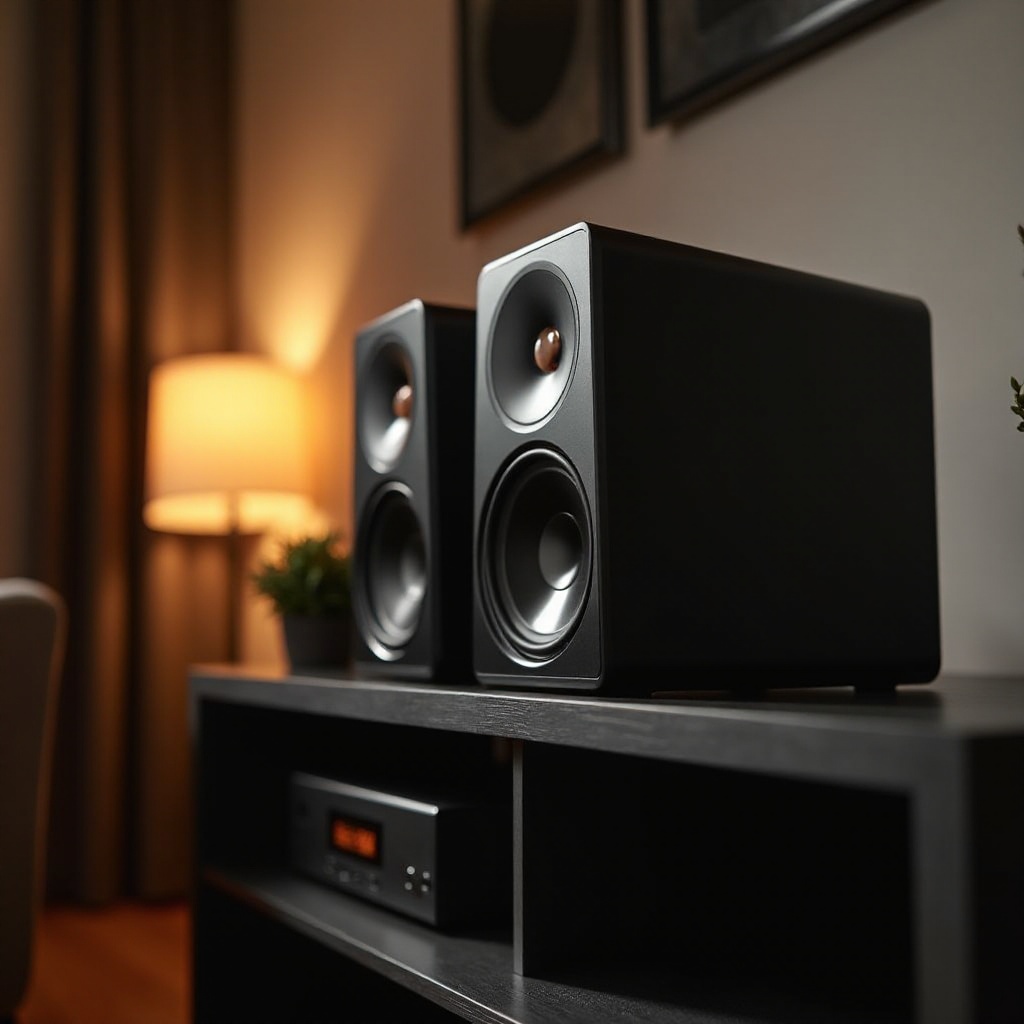
- Placement: Position the speakers at ear level to ensure the sound projects directly to the listener. Use speaker stands if necessary to avoid placing speakers directly on shelves.
- Angling: Orient the speakers slightly inward towards the listener’s position to improve stereo imaging and sonic focus.
- Room Considerations: Avoid placing speakers too close to walls or corners, which can amplify bass in an undesirable manner and muddy the sound.
- Maintenance: Regular cleaning and protection from excessive humidity or dust will help preserve performance and longevity.
By focusing on strategic placement and care, you can significantly enhance the acoustic performance of your speakers.
Conclusion
Integrating high sensitivity bookshelf speakers into your audio setup provides significant benefits in sound quality and system efficiency. Understanding technical factors ensures you choose models that deliver the best sonic experience for your space and preferences. With the right speakers and proper setup, users can enjoy an unmatched auditory experience tailored to their individual tastes.
Frequently Asked Questions
What does high sensitivity mean for speakers?
High sensitivity in speakers indicates their ability to produce more sound with less power, measured in decibels (dB).
How do I choose the right bookshelf speakers for my room?
Assess your room size and acoustics, ensuring the speakers fit well with your audio system and match your space and sound profile needs.
Are high sensitivity speakers better for large rooms?
Yes, high sensitivity speakers provide more volume with less power, making them suitable for filling large spaces with sound without distortion.